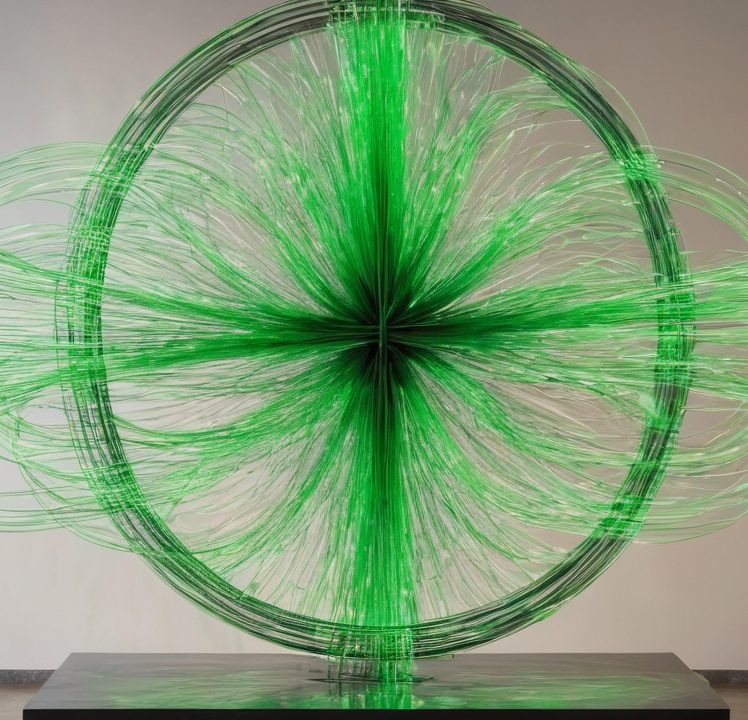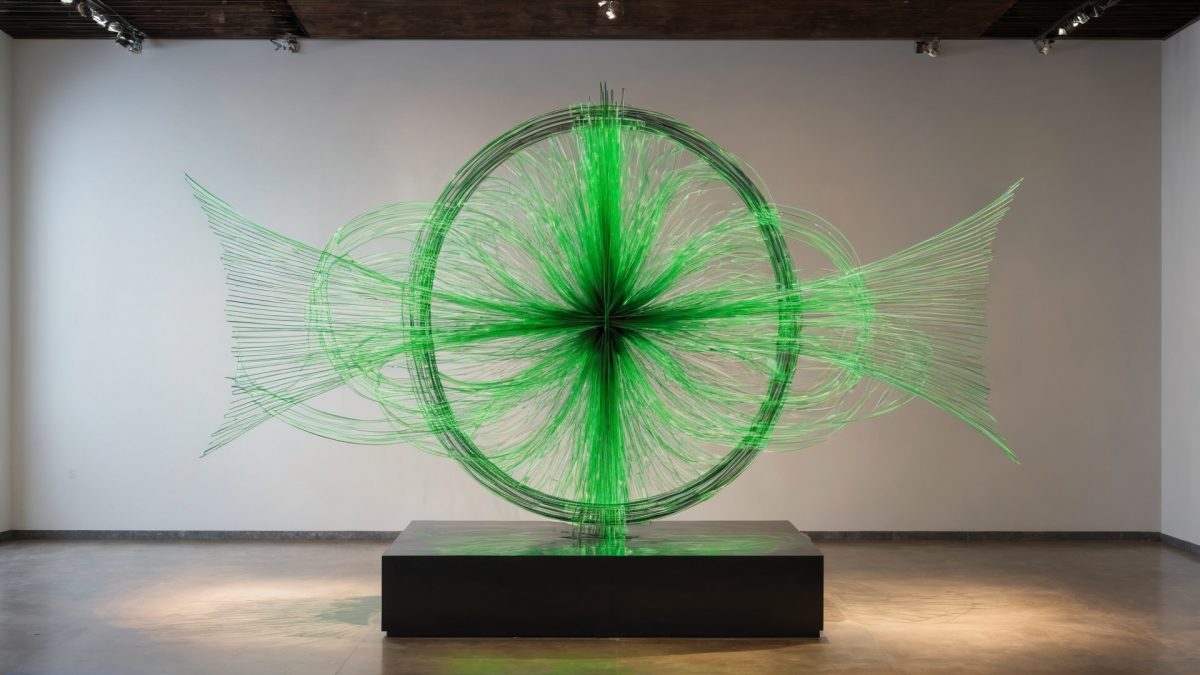

AI tools played a pivotal role in transforming the way she engaged with art and creativity despite her physical limitations.
-
AI-Powered Color Selector: This tool allowed Eric’s mother to pick specific colors that represented her emotions or mood, which were then translated into the artwork. By enabling this simple interaction, the AI bridged the gap between her feelings and artistic expression.
-
Emotional Interpretation System: This AI tool analyzed the emotional input given by Eric’s mother and converted it into abstract forms and movements within the artwork. Whether she felt joy, nostalgia, or frustration, the system captured these emotions and brought them to life visually.










-
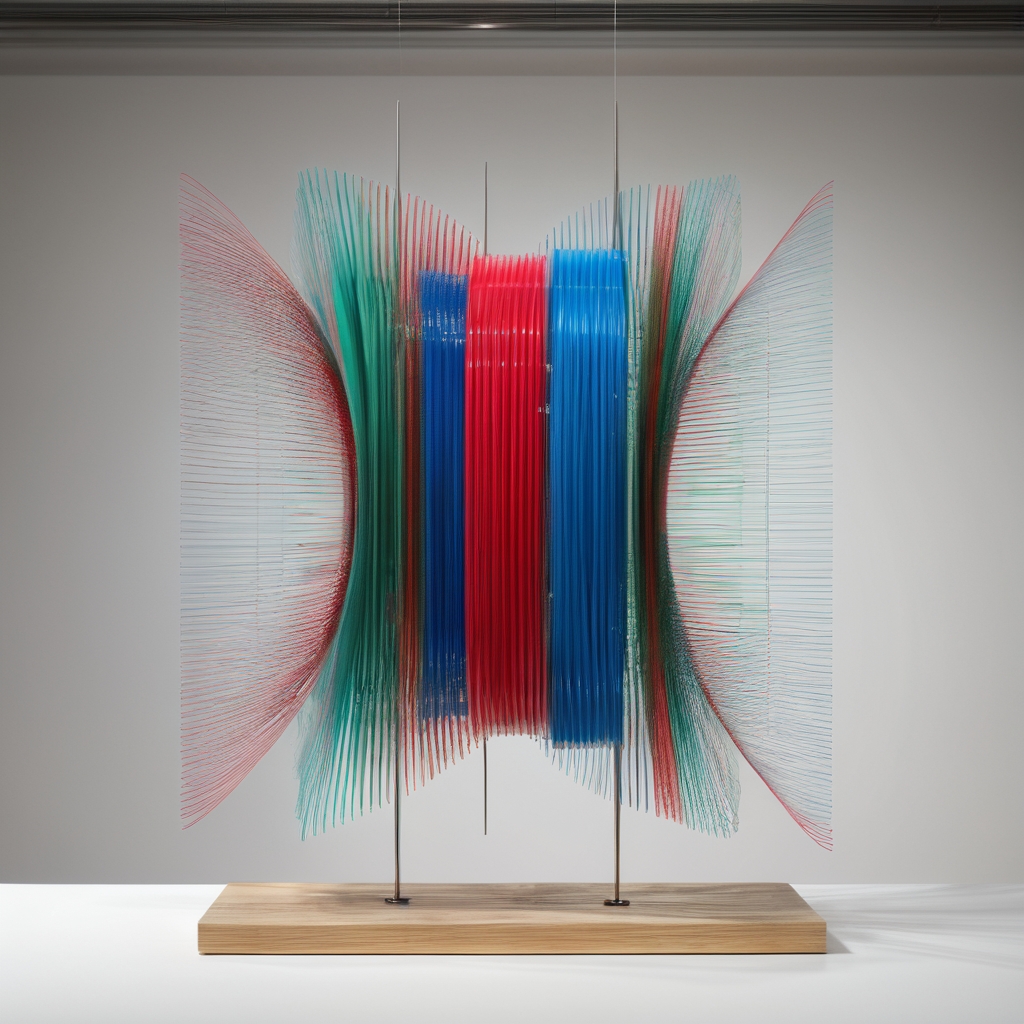
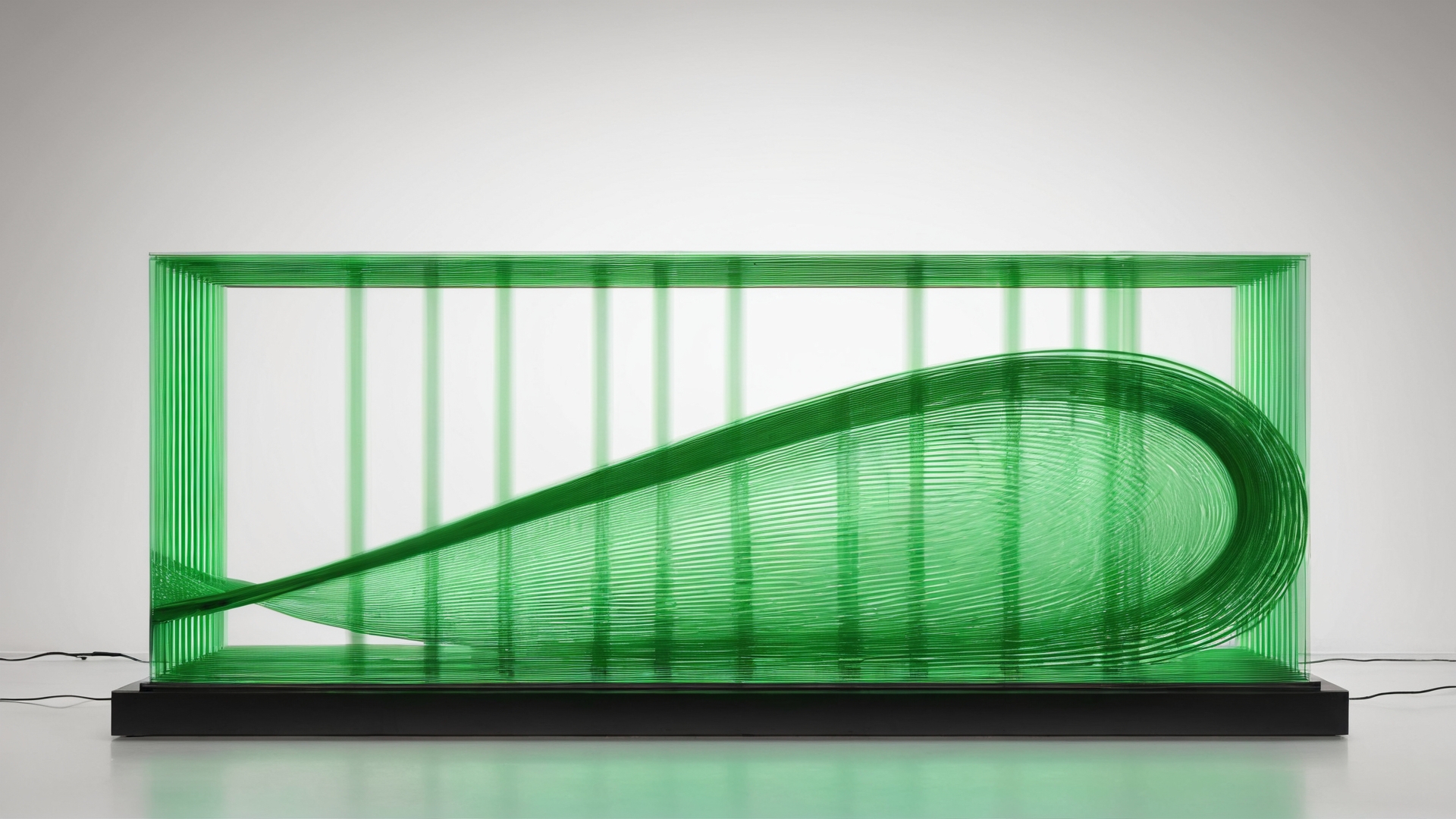
AI Composition Generator: The core of the artistic process, this tool took her color and emotional inputs to create dynamic and personalized digital paintings. Each piece evolved based on her selections, ensuring that the art was uniquely her own.
-
Adaptive Learning Feature: Over time, the AI learned from previous artworks, using them as a foundation to build new pieces. This allowed the artwork to evolve in tandem with her emotional and physical progress, creating a visual narrative of her healing journey.
These AI tools provided Eric’s mother with a way to express herself creatively, while also serving as a therapeutic avenue for recovery. The integration of AI in this project not only allowed for the creation of beautiful digital art but also played a critical role in emotional engagement, cognitive stimulation, and overall rehabilitation. The project stands as a powerful example of how AI can transcend its traditional applications and contribute to human healing and well-being.